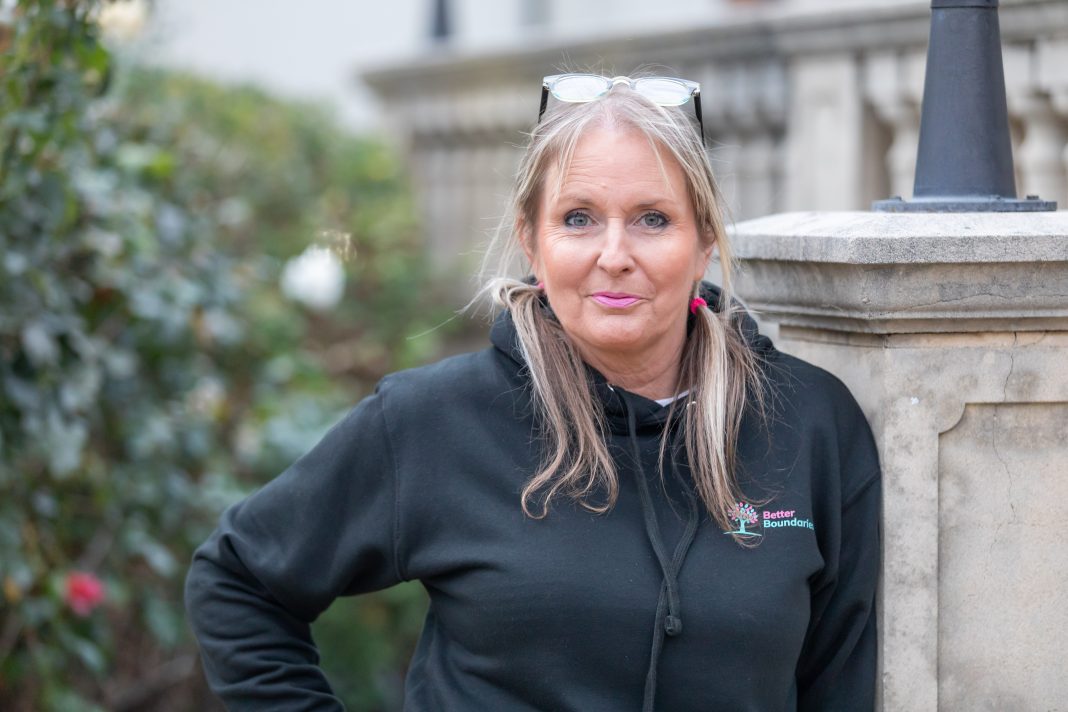
Years of suffering sexual assaults and domestic violence have set Larissa Astara Gray on a deeply personal mission to protect others – by changing the attitudes and teaching around sex and relationships.
With the launch of Better Boundaries CiC, the Knowle campaigner and entrepreneur vows to channel her pain into purpose by educating and empowering young people from an early age.
It comes against a backdrop of shocking statistics stating up to 50% of children have seen porn by the age of 13, 10% by the age of nine and 27% by the age of 11. While 44% of the 13-year-olds had witnessed scenes of rape and abuse.
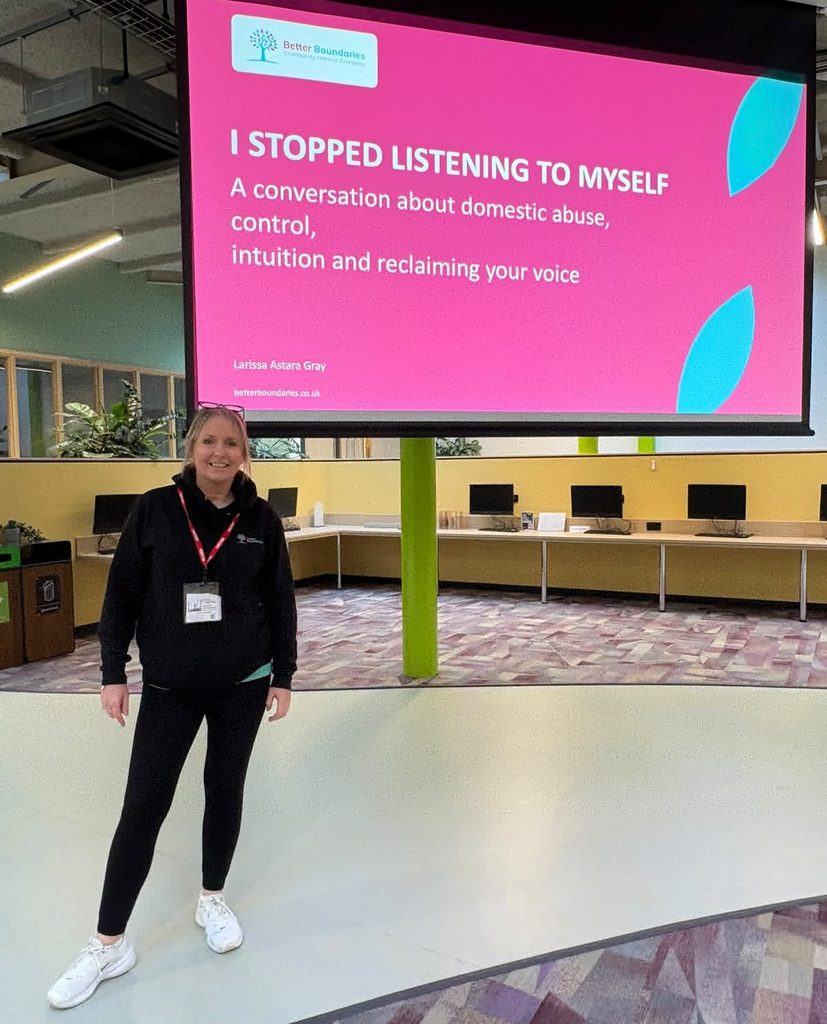
An issue also highlighted in the current hit Channel Four two-art series ‘I Am Helen’ and being highlighted by the recent Russell Brand convictions.
Through Better Boundaries, Larissa is taking her message into schools with CPD (continual practitioner development) for teachers, and pupil workshops – the learning modules tackle the subjects of consent, healthy relationships, respect and power, digital relationships, pressure and porn truths, sextortion and domestic abuse.
And she’s not doing it alone. A team of specialists supporting and guiding the work includes former Ofsted inspector for youth centres Ruth Fogg who served as Director of YMCA London South West and YMCA Training, School Governor, and Mental Health Advisor for Swan Radio; Peter Lowe a marketing and Ai specialist and Amanda clay who is an educational psychologist.
Larissa said: “I feel like it’s an elephant in the room that nobody’s talking about, I know that this content is accessed and shared from a very young age. My mission statement is “to make sure that sex and relationships are safe in every way.” We can do this by changing the way we talk about sex and empowering young people to have respectful, open, honest, clear, trauma-informed consent conversations. I think communication is the key.
“One of the things I get the students to do is look at all the ways they’re being disempowered around their sexuality and objectification, music lyrics, videos, influencers, television shows – how lying and cheating is promoted as entertainment.
“Priority one is around consent, and trauma-informed consent conversations. If a young person cannot have an honest consent conversation, they are not ready for a sexual experience.
“Priority two is to educate and protect young people from toxic online content, sextortion and grooming. Through both priorities we highlight healthy relationships. Fundamental to how we can make this happen is by getting teachers in the right space so we can also get parents in the right space, then we walk with the young people.”
The result of Larissa’s 15 years of studying sexuality and the online sexual world, along with the support of specialists in the field, Better Boundaries offers teaching, signposting and online resources for schools and parents. It also marks a symbolic chapter in a 38-year journey of healing and deep inner work.
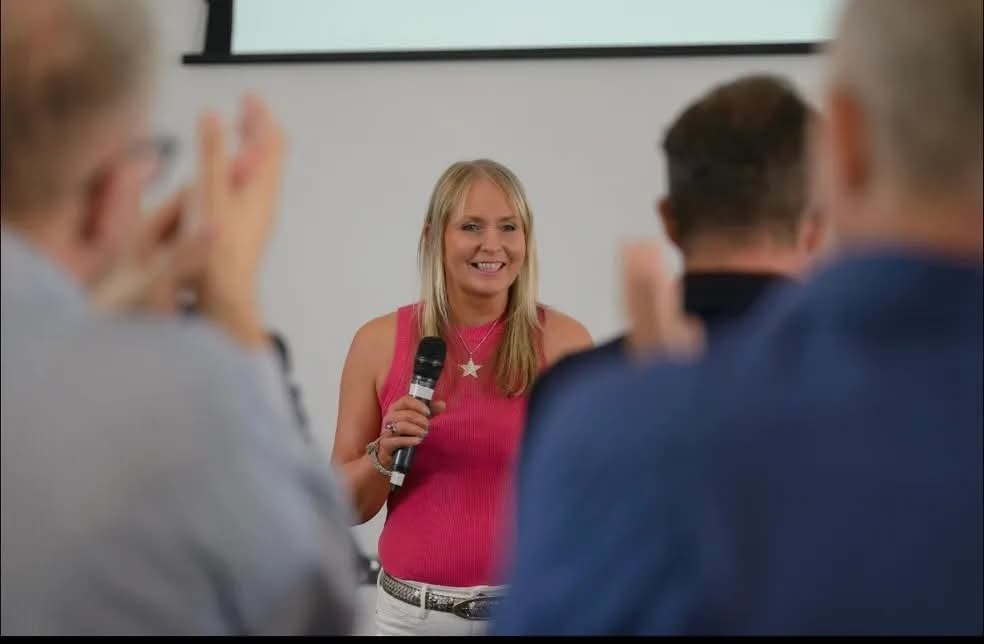
She reflects: “I was sexully assaulted in a downstairs toilet at a party by an older guy that I later found out had already been accused of rape. At the time I froze I didn’t screem, shout or fight and for years I blamed myself for not doing these things, but then I found out that freeze is a natural trauma response. Because the other girl that had accused him had been ostracised from the group and slut shamed, I thought it was best to put up and shut up and not do anything another classic trauma response, known as fawning.
“In our society there’s lots of talk on the news and television about sexual assult or rape and we’ve become pretty desensitised to it but what does it actually mean? It’s like the next stage down from murder, parts of you are killed and die, your light, your beauty, are taken away from you but you’re still living with a huge mess of trauma, negative beliefs, shame emotional pain that can sometimes take years and years of healing to get back those parts, if you ever do, and sadly some people never make it.
“From there, it led to a pattern of years of sexual abuse, non-consensual experiences, domestic violence, gaslighting, coercive control and relationship trafficking which took me to the depths, and through the coping mechanisms I used to numb the pain. I learned to accept abuse and violence in relationships. I went from one trauma bond to another.”
It was a vicious spiral which also led a young Larissa into a self-destructive chapter of drugs and alcohol addiction including an introduction by one partner to heroin.
“All this completley shuts down your needs, wants and dreams. Everything was taken away from me destroyed. I was a straight A student and my life just collapsed all around me Looking back, the drugs was my way of numbing it out/coping because it’s unbearable to deal with.
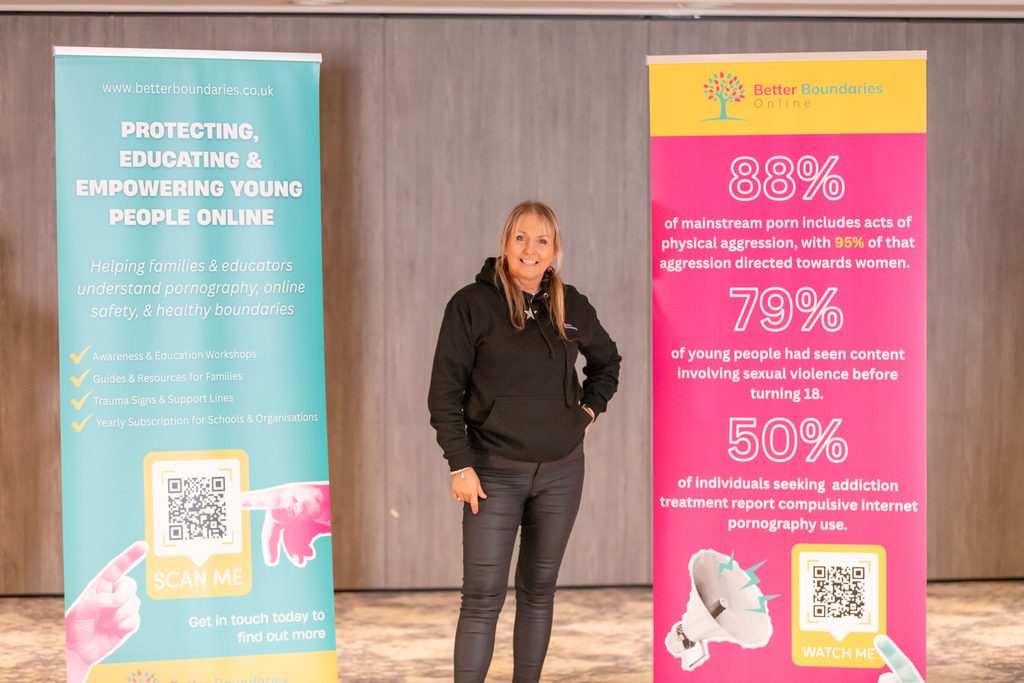
“My path has given me a deep understanding of trauma and the many protections we create to survive it. I don’t want young people to learn these lessons the hard way. I want them to know consent, boundaries and the real impact of what they see and experience, so they can make different choices and build relationships rooted in genuine respect.”
Now a single mum herself, Larissa knows her message has never been more pertinent.
“I’m overprotective as a parent because I know the stats – 53% of parents give their kids phones without security on them. Amir has a phone but it doesn’t have any access to the internet or social media. However, that doesn’t stop my son accessing it through others that he’s out with. You can’t stop it and this is the problem. The only effective way to approach this is through education,” she said.
Her message is also amplified through her platform on Vibe25 community radio, live on Thursdays 1-2pm and then available through Mixcloud.
She concluded: “It’s time we took our power back over our sexuality, give the young people their voices so that they can be protected, empowered, and safe. I want Better Boundaries to be a staple in every school – to be a leader in consent and online education in the UK.
“Sexual energy feels good, because it is a natural, beautiful, God-given thing that is so powerful it’s created every single one of us, but it needs to be respected. And if it’s used and respected in the right way, it’s going to bring you lots of pleasure and happiness. But if it’s used incorrectly, it could take you down a very dark path. It’s a precious gift and needs to be used wisely.”